Things to do in Agadir
A practical guide to the city, the coast and the trips that start from Agadir, with the sources behind the facts.
Agadir at a glance
Agadir stands on Morocco’s Atlantic coast, where the Souss river meets the ocean, about 500 km south of Casablanca. An earthquake on 29 February 1960 destroyed most of the old city and killed around 15,000 people. Agadir was rebuilt about 1.6 km to the south to strict seismic standards, so most of what you see today is modern rather than historic.
The winters are mild and the summers warm: one guide gives average temperatures of about 22 °C in winter and 27 °C in summer, and the city is often described as having around 340 sunny days a year. Arabic and French are widely spoken, English is used in tourist areas, and the currency is the Moroccan dirham.
Getting around
The tourist part of the city is small enough to walk. Local buses are reported to cost about 3.50 to 5 dirham. Most taxis use meters, and trips within the centre are reported at roughly 30 to 50 dirham. Grand taxis are shared cars for longer routes.
Fares change, so treat these figures as a guide. Check the meter is running, or agree a price before you set off.
The beach and the promenade
The beach is the main attraction. It runs for more than 10 km and one guide describes it as very big and not very crowded, with a promenade behind it. It is the easiest and cheapest way to spend a day. Look for lifeguards or safe-swimming flags before you go into the Atlantic, where currents can be strong.
Souk El Had
Souk El Had is a large working market for food, clothing, household goods and souvenirs. Estimates of its size range from over 3,000 stalls to around 6,000 shops, and it is often described as the largest market in the region. Go with time to wander, and go early if you dislike crowds.
Agadir Oufella, the kasbah on the hill
The old fortress on the hill above the city is one of the few places that shows what stood here before 1960. Today it is a hilltop of walls and ruins with wide views over the city and the coast. Entry is reported to be free, and the easiest way up is by taxi.
Museum, birds and the marina
The Memory of Agadir Museum tells the story of the 1960 earthquake; entry is reported at 20 to 30 dirham. The Vallée des Oiseaux is a small free bird zoo with a playground, which suits a short family visit. The modern marina is good for a walk and a meal, and Crocoparc is a wildlife park.
Day trips from Agadir
Several of the best days out start in Agadir. Taghazout, known for beaches and surfing, is about 15 km up the coast. Paradise Valley is roughly an hour away by road; our Paradise Valley guide covers it in detail. Souss-Massa National Park lies south of the city, and its entrances are described as roughly 40 to 60 km away depending on the source and the entrance. Taroudant is about 80 km east, and Tiznit and Sidi Ifni are further south.
Six excursions start from Agadir. Each page lists its departure times and what is included.
- Agadir Quad Biking and the Agadir Buggy Tour, both with free sandboarding
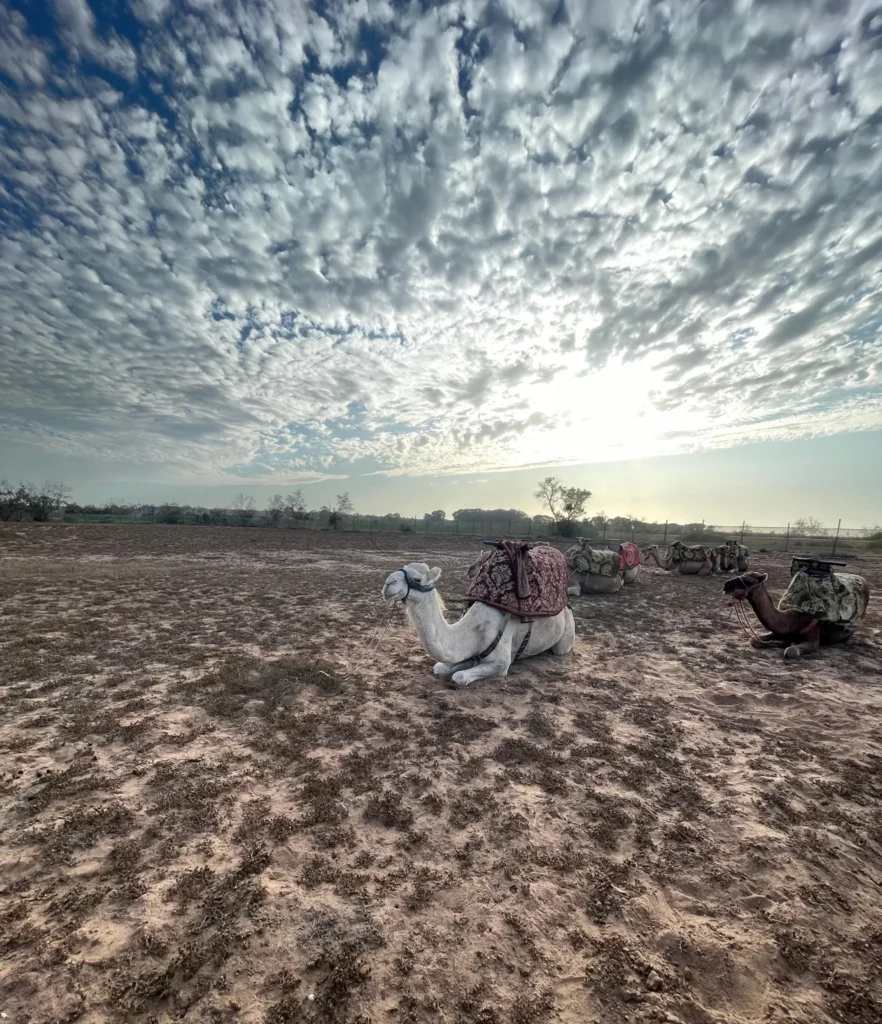
- Agadir Camel Ride, with a normal option and a BBQ option
- Paradise Valley Tour from Agadir
- Souss Massa National Park Tour, with a jeep safari included
- Agadir Cooking Class
When to go
Agadir is a year-round destination. The surf season is described as running from November to March, although beginners can surf all year. For Paradise Valley, late winter and early spring are described as the greenest time, while summer is busier and the water flow is lower.
Three ways to plan a day
- A beach day: the promenade and beach, then the kasbah for the view.
- A nature day: Paradise Valley or Souss-Massa National Park.
- A slower day: a morning at Souk El Had, the museum, then time at a cooking table.
Excursions to go with this guide
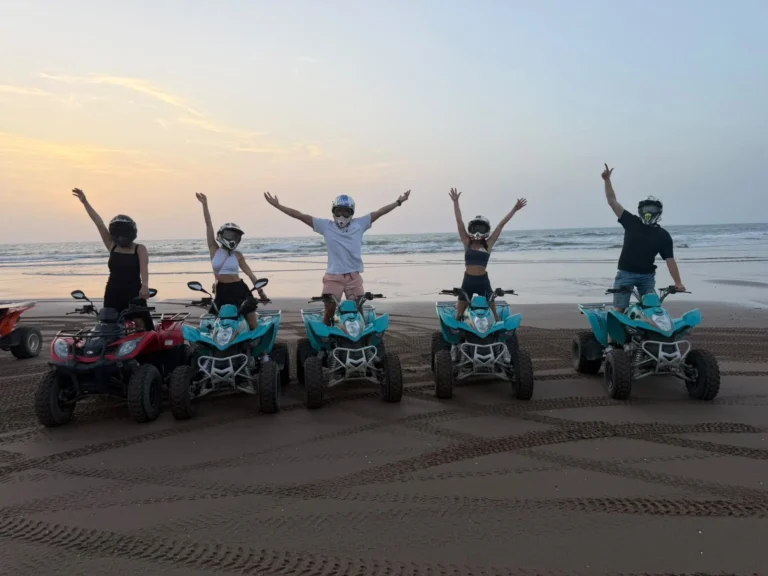 Agadir Quad BikingQuad biking along the sand and surf near Agadir, with free sandboarding included.
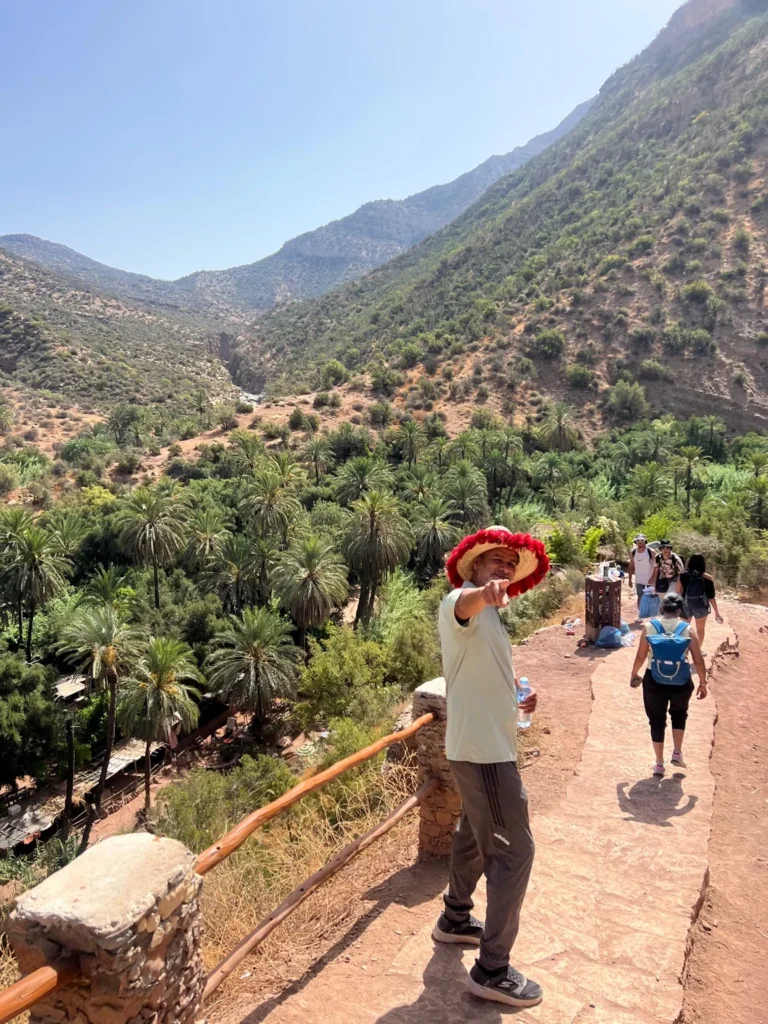 Paradise Valley Tour from AgadirA guided excursion from Agadir to Paradise Valley in the foothills of the Atlas Mountains.
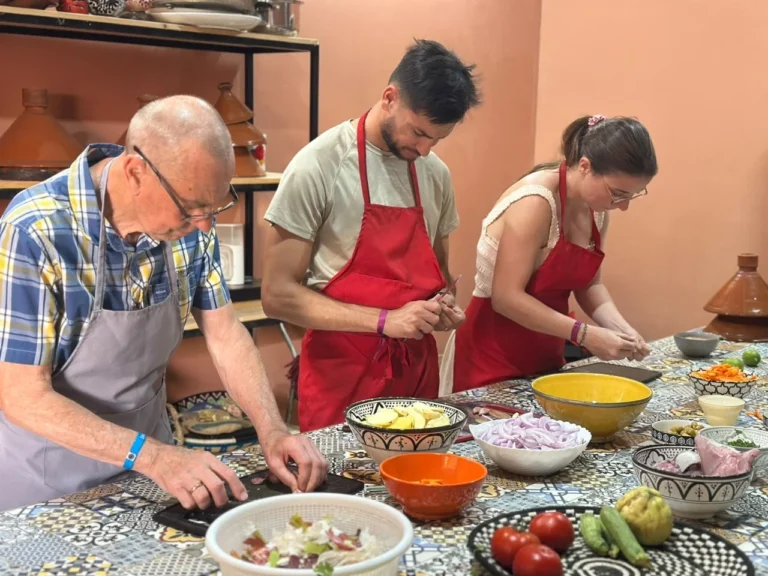 Agadir Cooking ClassA hands-on Moroccan cooking class in Agadir, held at a shared table with two start times.