

Souss Massa National Park is a protected stretch of the Atlantic coast south of Agadir, where dunes, beaches and wetlands meet the mouths of two rivers. It is best known for the northern bald ibis, a rare bird, but it is also a place where the wildlife you see depends heavily on the season and on luck.
This guide explains what the park protects, what the published sources say you can expect to see and when, and how a day on our jeep safari relates to it. Facts come from Wikipedia, the birding site Birding Places and a tour operator, read on 21 October 2026, and we say where they leave gaps.
Quick answer
Souss Massa National Park lies along the coast between Agadir and Sidi Ifni. The main draw is the northern bald ibis, which has three of its four Moroccan colonies here. Sources give October to May as the better period for birds, with the widest range of migrants from March to May, but they do not agree on exact months and none can promise a sighting. Our Souss Massa jeep safari is a full-day 4×4 trip with four listed stops, and wildlife is not one of them.
Souss Massa National Park at a glance
| Detail | What the sources say |
|---|---|
| Location | On the Atlantic coast between Agadir to the north and Sidi Ifni to the south, with the Oued Souss estuary as the northern limit and the Oued Massa near the centre |
| Size and age | 33,800 hectares, created in 1991 |
| Habitats | Grazed steppe with dunes, beaches and wetlands, with sandy soil and some rockier areas |
| Protection | A Ramsar wetland, designated on 15 January 2005, and an IUCN Category II national park |
| Wildlife | About 250 bird species, about 30 mammal species and about 35 reptile and amphibian species |
Distances vary by source and entrance: our things to do in Agadir guide describes the entrances as roughly 40 to 60 km from Agadir, and the tour operator Naturally Morocco says about 40 miles, or about 64 km. We found no official source for entrance fees or opening hours, so check with the park authority before you plan an independent visit.
The northern bald ibis
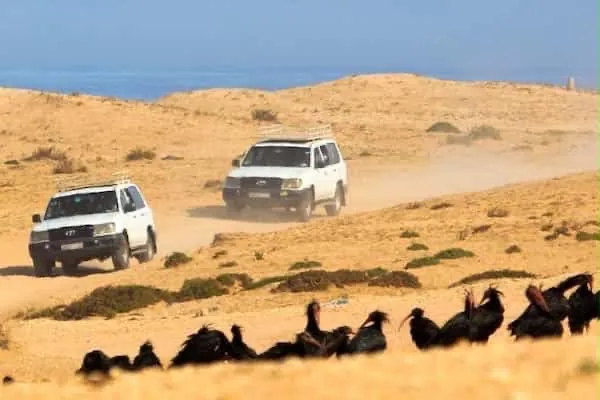
The northern bald ibis is a glossy black bird with a bronze-green and violet sheen, a bare red face and head and a long, curved red bill. Wikipedia describes it as 70 to 80 cm long and says it nests in loose colonies on cliff ledges or among boulders, feeding mostly on lizards and beetles by probing loose soil. It travels in flocks.
Three of Morocco’s four colonies are in the park, and the fourth is at Tamri. Together, Wikipedia says, they hold 95 per cent of the world’s truly wild breeding birds of this species. The same source reports 708 birds across the two Moroccan sites in 2019, after 147 breeding pairs produced 170 chicks in the previous season, and says the species was moved from Critically Endangered to Endangered in 2018. Older guides still use the earlier label. Wikipedia adds that the population fell about 98 per cent between 1900 and 2002, because of hunting, loss of steppe and farmland, pesticides and disturbance.
Other birds and wildlife
Wikipedia says marbled ducks breed in the park, that the Oued Massa is the only known Moroccan breeding site for the glossy ibis, and that European spoonbills and Audouin’s gulls winter there. Naturally Morocco also lists greater flamingos among the park’s birds, but gives no numbers or months, and we found no source with flamingo counts, so we do not promise them.
Wikipedia reports captive-breeding programmes for scimitar oryx, addax, dama gazelle and dorcas gazelle and an ostrich reintroduction, and Naturally Morocco says several species of gazelle, oryx and ostrich have been introduced. Both sources leave out dates, so treat the details as background rather than a guarantee of what you will see.
When to go to Souss Massa National Park
Sources differ. Naturally Morocco gives October to May as the best period, with November good for coastal wetlands because winter migrants have just arrived and March to May offering the greatest range of migrants and residents. The Birding Places entry for a bridge on the Oued Massa lists the site as good all year, with spring and autumn migration the best times. Wikipedia only says that gulls, waders and other migrants winter or pass through, and does not give months.
In short, the cooler months and spring are the usual advice, and a day in summer can still be rewarding for landscape. For the ibis specifically, none of the sources we read give breeding or sighting months, so ask a local guide or the park staff.
Birdwatching on the Oued Massa
Birding Places describes a low bridge over the Massa River at the village of Agbalou, on its northwest side, surrounded by small fields. You can watch from the bridge or walk the paths between the fields; the terrain is flat and the walk is rated easy. There is no hide or platform, and a telescope is not considered useful. It lists species such as Moussier’s redstart, zitting cisticola, common nightingale and kingfisher, and says the northern bald ibis is the reason the park exists but you may be lucky to see it.
Visiting Souss Massa National Park with us
Our jeep safari is a full-day excursion by 4×4 with hotel pickup and lunch included, at €25 per person, with a published departure of 08:30 that is for planning. The four listed stops are the Small Sahara, the water dam, a pottery house and Sidi Rbat beach. Wildlife is not one of the listed stops and cannot be promised on any single trip, because sightings depend on the season, the weather and luck. We have not published whether the route enters the park’s protected core, so ask us if birdwatching is your main aim.
Reservations must be requested at least one day before. A request is not a confirmed booking until our team confirms it with you, and payment is in cash, in euros, on the day. Compare every active option on our adventure activities in Agadir page, and see our Paradise Valley guide for a shorter nature trip.
Questions about Souss Massa National Park
Will I see flamingos at Souss Massa National Park?
They are listed among the park’s birds, but we found no counts or months, so they cannot be promised.
Is there an entrance fee?
We found no official figure. Tour operators often include entry in their packages, so ask before you book and check with the park authority if you go alone.
How far is the park from Agadir?
It depends on the entrance. Our things to do guide describes the entrances as roughly 40 to 60 km from the city, and Naturally Morocco says about 40 miles, or about 64 km.
Can I join a birdwatching trip with you?
Our safari is a general day out, not a birding tour. Ask us before you reserve if birds are your priority.
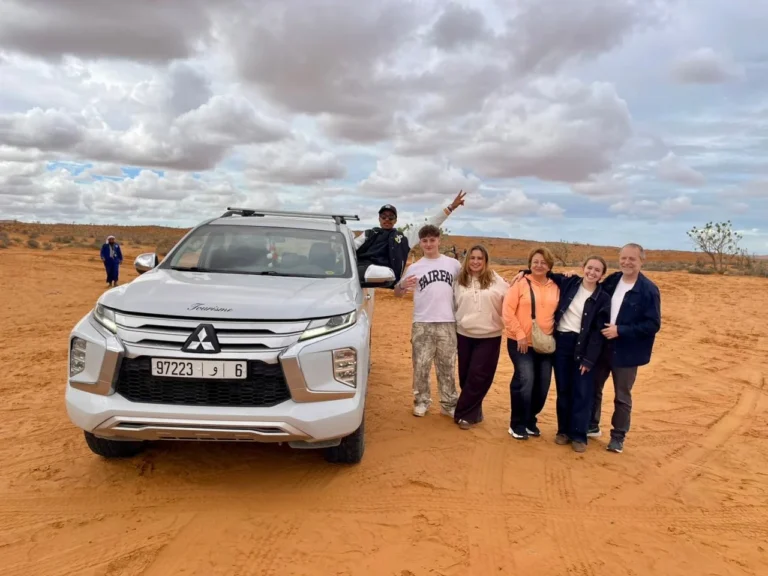 Souss Massa Jeep SafariA full-day jeep safari south of Agadir with hotel pickup and lunch, stopping at the Small Sahara, the water dam, a pottery house and Sidi Rbat beach.
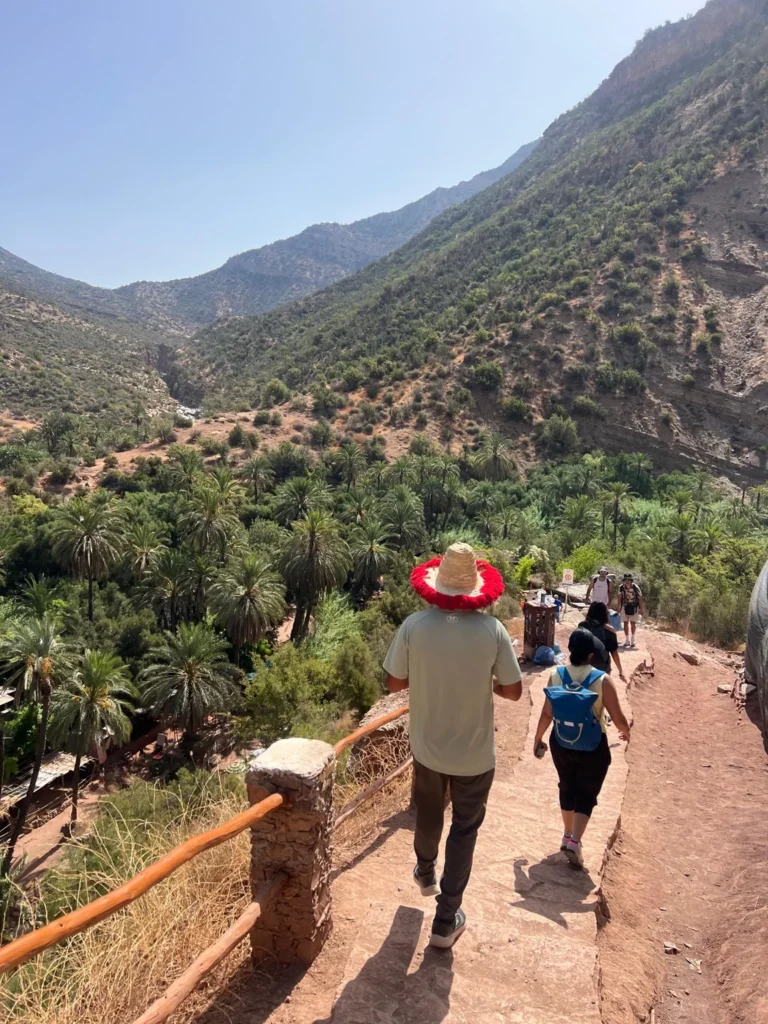 Paradise Valley Trip from AgadirA guided trip from Agadir to Paradise Valley in the foothills of the Atlas Mountains, with hotel pickup and a local guide.
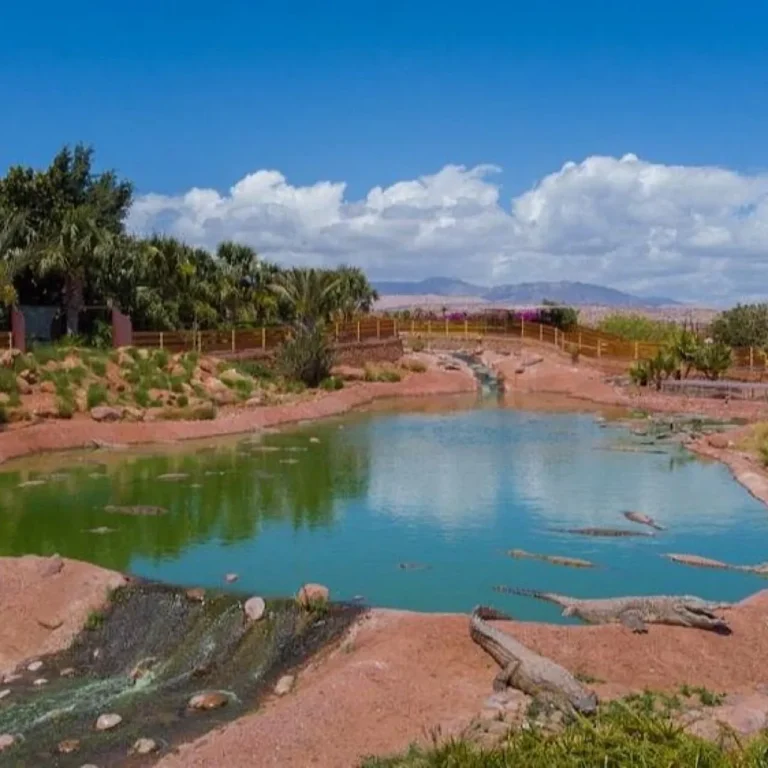 Crocoparc Agadir: What to Expect, How Long to Allow, How to Get ThereHours, prices, what you can see and how to get to Crocoparc Agadir, taken from the park's own pages, with the details it does not publish and how our trip works.
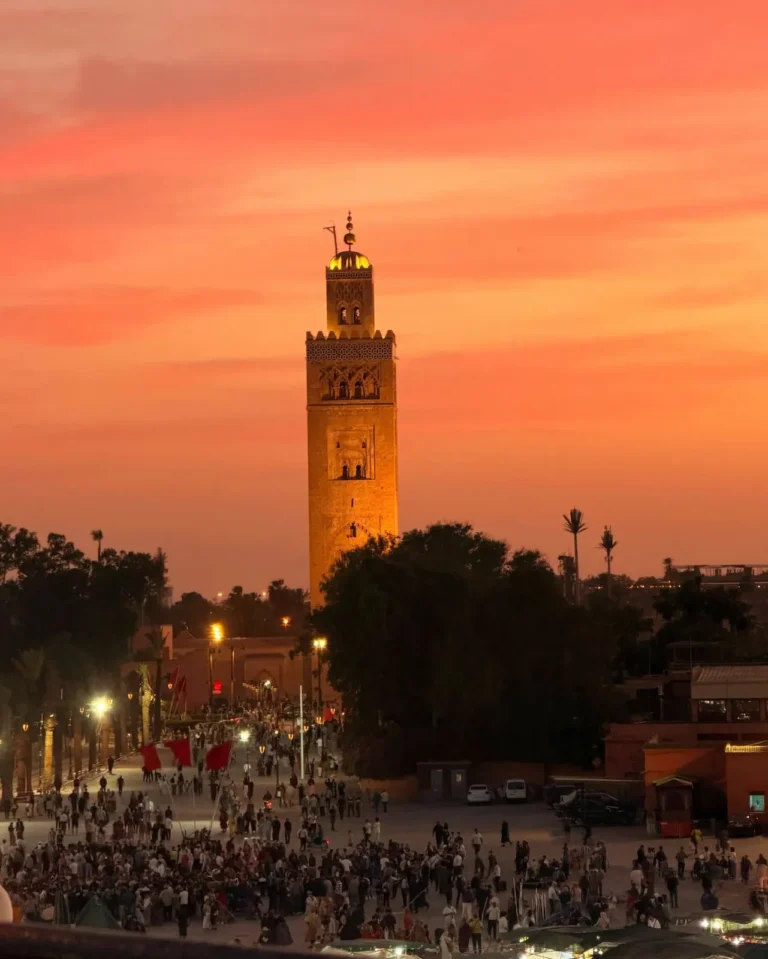 Agadir to Marrakech: How Long It Takes and Whether a Day Trip Is RealisticBy road about 246 km and a little over two and a half hours; by bus about an hour longer. Here is the time budget of a day trip from Agadir to Marrakech.
- Marrakech or Essaouira from Agadir: Which Day Trip Suits You?Both are long days out from Agadir. Compare drive times, what each trip covers and who it suits, using published sources and our confirmed trip details.
Comments
No comments yet. Be the first to add one.